Safety Concerns
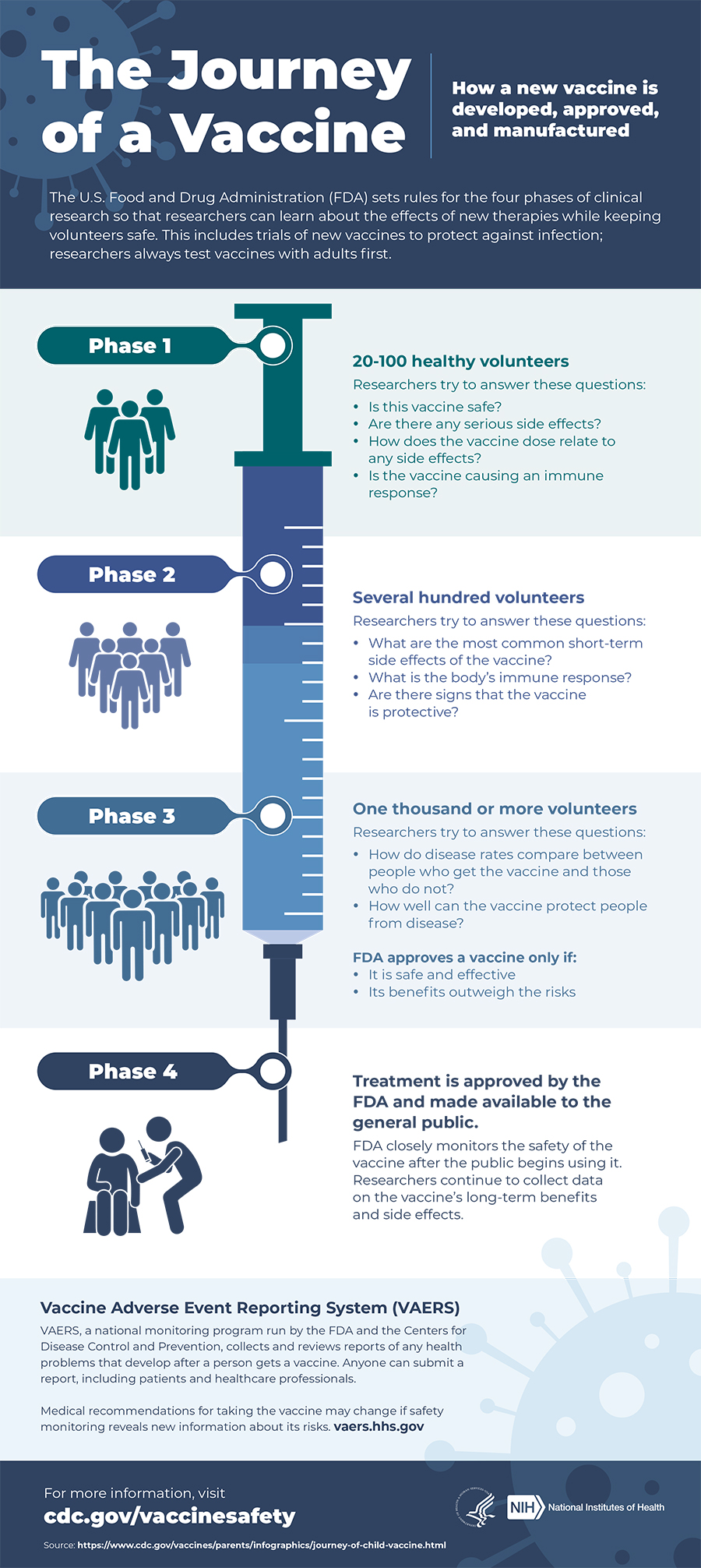
As the one-year mark of the official declaration for being in a global pandemic approaches, major companies such as Pfrizer, Moderna, and now Johnson & Johnson have released a vaccine to combat the COVID-19 virus. As with all new medication, it is easy to lack confidence in a new and rapidly produced vaccine considering the time between the virus actually reaching the U.S. and the creation of its combatting vaccine is not too far apart. However, in response to safety concerns and risks, the Food and Drug Administration (“FDA”) has provided the public with everything it has done to ensure the vaccine is as safe as it can possibly be. For example, the vaccine must go through four phases of clinical research before it can be released to the public. In addition to the four phases, the vaccine must meet the FDA safety and effectiveness standards by approval or by emergency use authorization, such as now during the pandemic. Finally, after the vaccine has been granted access for use, the FDA and CDC continue to track the vaccine to detect for potential problems or side effects that may not have been detected during the initial clinical trials. In fact, the overall effectiveness of the vaccine is well beyond the effectiveness of the flu vaccine, in the range of 70% to 95% effective for each dose.
Side Effects and Risks of the Vaccine
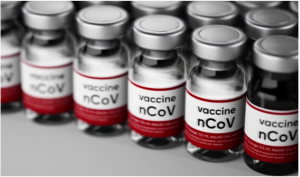 Some common side effects of the vaccines that have been reported are the following: pain in the injection area, tiredness, headaches, nausea or vomiting, fever, chills, and muscle or joint aches. Although these side effects may seem drastic, studies show that these are common reactions that indicate your body is building protection against the virus. Generally, when individuals are injected with the vaccine, they are monitored for at least 15 minutes. The purpose of this oversight is to ensure the person does not suffer from a potentially life-threatening reaction known as anaphylaxis, in which could occur among individuals who have had a severe vaccine reaction in the past. In addition to the short-term side effects, there is not enough studies on the long-term effects of the vaccine since it has only been out since the summer of 2020. However, the CDC has created an app for the public to document any COVID-19 vaccine symptoms these individuals may experience. Additionally, it is worth noting that the second dose of the vaccine is likely to present a greater impact of side effects, which may not be a bad thing since the first dose has already caused your immune system to build a tolerance to the virus.
Who should get the vaccine?
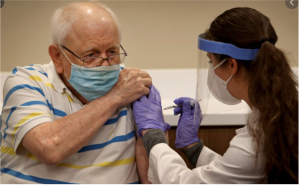 In a recent CNN report, the Advisory Committee on Immunization Practices recommend that the vaccine can be given to anyone over the age of 16—“even the frailest elderly people.” Despite the risks of side effects, studies have shown that most individuals who have taken the vaccine have tolerated it “very well.” Specifically, this article highlights both people who should be cautious in taking the vaccine and those who are likely to benefit from taking the vaccine. For example, those who should be cautious, or otherwise refrain from taking the vaccine, are people who have experienced drastic allergic reactions to former vaccines, pregnant and lactating women, and people with other allergies. The article notes that people who have underlying medical conditions, the elderly, the immunocompromised, and even people who have already had tested positive for the virus and/or have taken the COVID-19 antibody treatment.
With these breakdowns in mind, the CDC has allowed states to determine their own method for who should be able to get the vaccine first. Considering the vaccines are limited at this point, the main goals for administering the vaccines are to: decrease deaths and serious disease as possible, preserve a functioning society, and reduce any extra burdens COVID-19 is having on people already facing disparities. In this state, Ron DeSantis, prioritized Floridians 65 and older and people who work the frontlines to get the vaccine in the first phase of its administration. Currently, more vaccines have made their way to Florida and the demand for an appointment is higher than ever. As of February 28, 2021, individuals who are 18 years old and older who are considered at-risk individuals may get the vaccine at Broward Health.
In conclusion, the COVID-19 vaccine is not something that should be taken lightly. Although many people have already taken either their first, second, or both doses of the vaccine, it is still imperative those people engage in safety precautions such as wearing masks and keeping their distance. Additionally, because the vaccine is still new, it is on those individuals to be aware of any symptoms or later occurring reactions they believe could be from the vaccine and report those outcomes.